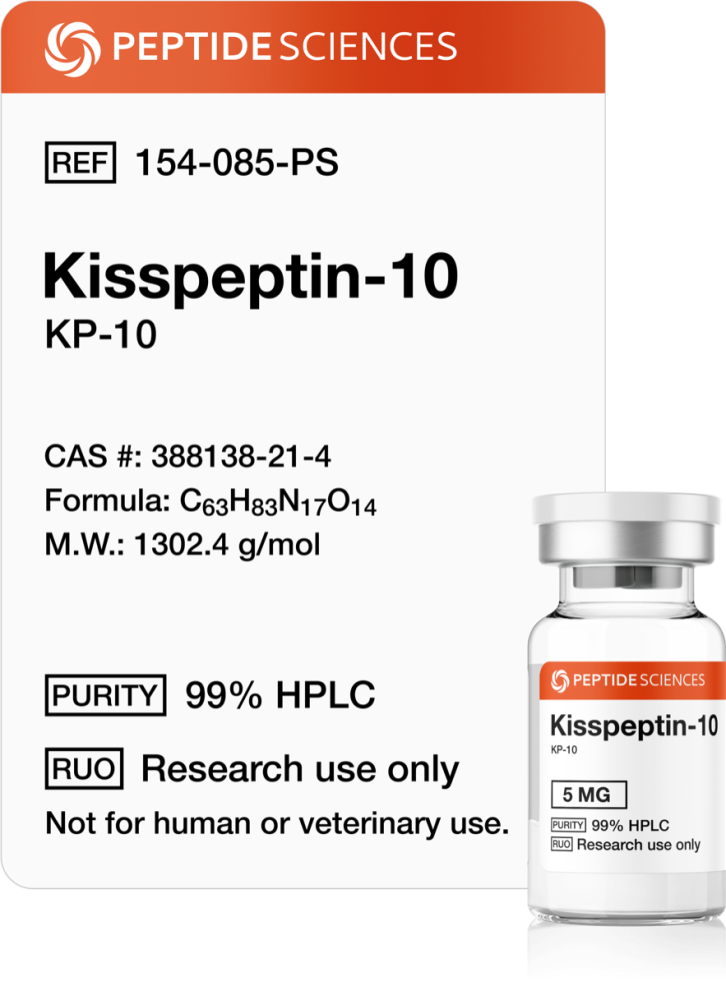
Kisspeptin-10 5mg
$65.00
Kisspeptin-10 is a synthetic decapeptide (Tyr-Asn-Trp-Asn-Ser-Phe-Gly-Leu-Arg-Phe-NH₂) corresponding to the active fragment of the KISS1 gene product. It binds to the GPR54 (KISS1R) receptor, activating Gq-mediated signaling cascades and modulating gonadotropin-releasing hormone (GnRH) expression in preclinical studies. Kisspeptin-10 serves as a tool for exploring reproductive and neuroendocrine peptide signaling.
For research use only. Not for human consumption.
References:
Kotani M et al., J Biol Chem, 2001 276(37):34631–34636
Oakley AE et al., Endocr Rev, 2009 30(6):713–743
de Roux N et al., N Engl J Med, 2003 349(17):1614–1627
Kisspeptin-10 5mg – Buy High-Quality Kisspeptin-10 5mg Online
Looking to buy Kisspeptin-10 5mg for your research laboratory? You have come to the right place. We currently have Kisspeptin-10 5mg for sale and it is in stock and ready for immediate shipping. Our Kisspeptin-10 5mg is of the highest purity, making it the best Kisspeptin-10 5mg online for scientific studies.
Product Overview
Kisspeptin-10 5mg is a premium research compound widely utilized in various scientific studies. Researchers seeking to buy Kisspeptin-10 5mg online often prioritize purity and consistency. This compound has been studied extensively for its unique biochemical properties and its role in cellular pathways.
Overview
Kisspeptin peptides (also referenced as metastin; KISS1-derived ligands) are endogenous signaling molecules studied in vertebrate neuroendocrine biology and cellular signaling research. Kisspeptin-10 (Kp-10) is a short, C-terminal bioactive fragment frequently used in experimental systems to probe KISS1 receptor (KISS1R/GPR54) activation, downstream second-messenger signaling, and gene-regulatory responses across neuroendocrine and peripheral tissues.
In preclinical literature, kisspeptin signaling is commonly investigated for its role in hypothalamic GnRH neuron activation, pituitary gonadotropin secretion dynamics, metabolic signaling interfaces, vascular biology endpoints, and tumor cell migration/adhesion phenotypes in cell-based and animal models.
Biochemical Characteristics
Sequence: YNWNSFGLRF
Molecular Formula: C63H83N17O14
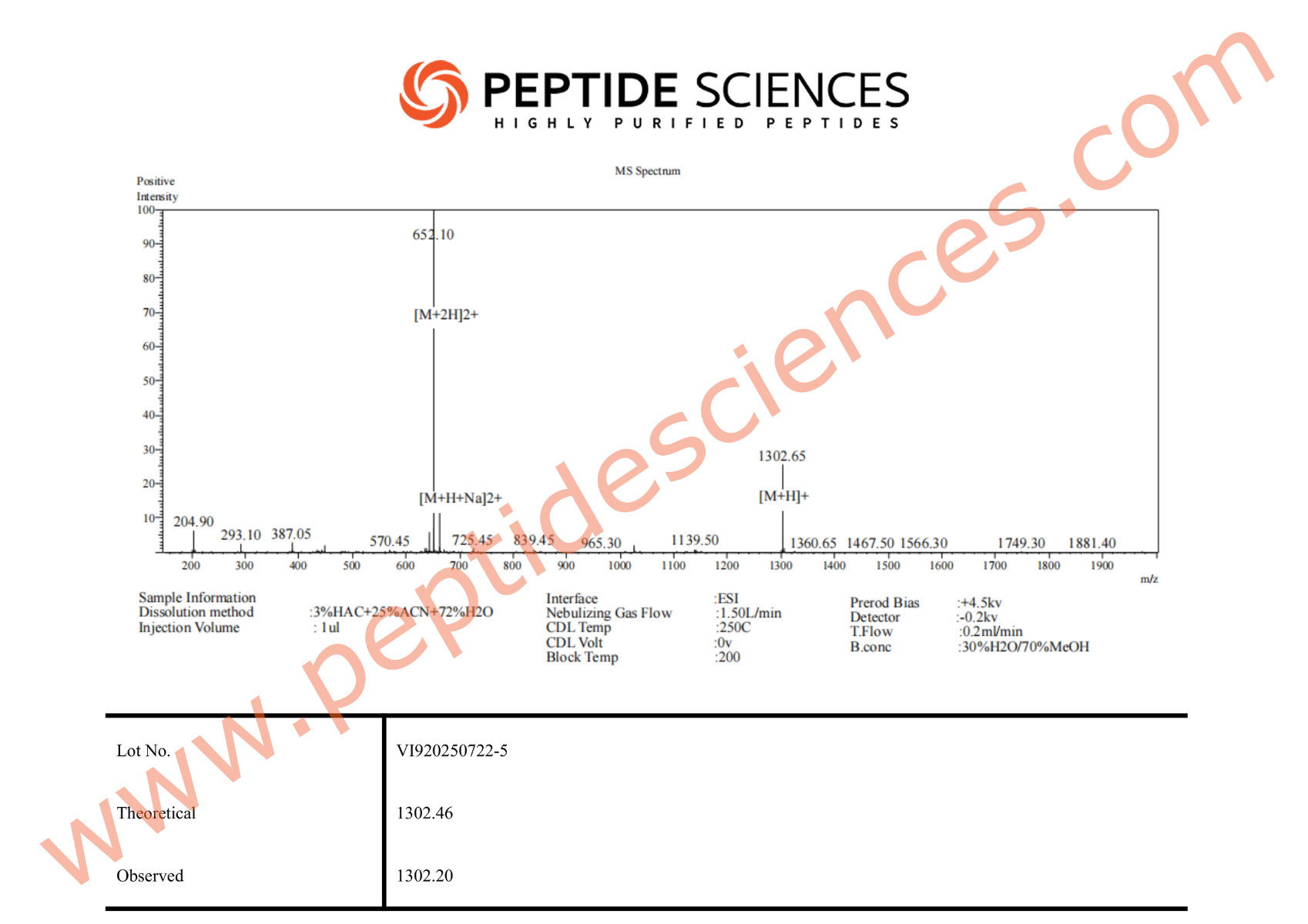
Molecular Weight: 1302.4 g/mol
PubChem CID: 25240297
Synonyms: KISS-1, Protein KISS-1, metastin, Kp-10 peptide
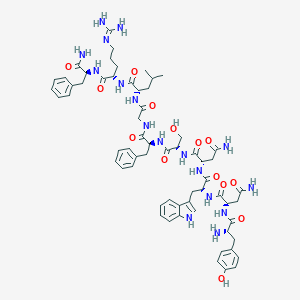
Source: PubChem
Research Applications
Pathway / Mechanistic Context
Kisspeptin-10 is used in laboratory research to activate KISS1R and interrogate downstream signaling modules that couple receptor activation to intracellular calcium mobilization, kinase cascades, and transcriptional responses. In neuroendocrine-focused models, kisspeptin signaling is a common experimental handle for studying GnRH neuron excitability, pulsatile gonadotropin release patterns, and regulatory feedback logic within the hypothalamic-pituitary-gonadal axis as defined in nonclinical experimental settings [1] [2].
Preclinical Research Summary: GnRH Neuron Activation & Gonadotropin Dynamics
Experimental work evaluating kisspeptin ligands has characterized KISS1R-dependent activation of GnRH neuron signaling and associated changes in downstream gonadotropin secretion dynamics in controlled study designs [1] [2]. These models are frequently used to examine pulse generation, receptor desensitization, and axis-level response characteristics under defined stimulation paradigms.
Preclinical Research Summary: Energy Balance Interfaces
Kisspeptin neurons are widely studied as integrators of metabolic state signals with neuroendocrine outputs. Preclinical genetics and receptor-localization studies have reported Kiss1r expression in adipose tissues and have used receptor loss-of-function approaches to evaluate changes in adiposity-related phenotypes and energy expenditure endpoints in animal models [3]. These findings support ongoing research into how KISS1R signaling intersects with metabolic pathways, peripheral tissue signaling, and neuroendocrine control circuitry.
Preclinical Research Summary: Oncology & Cell Migration Phenotypes
KISS1/kisspeptin signaling has been investigated in oncology research primarily for its association with metastatic behavior and cell motility phenotypes. Published work has reported kisspeptin-linked modulation of tumor cell migration and related adhesion/invasion-associated processes in experimental models, with observations across multiple tumor contexts [4] [5]. These studies are often framed around pathway complexity, context-specific signaling, and heterogeneity of tumor biology across cell lines and model systems.
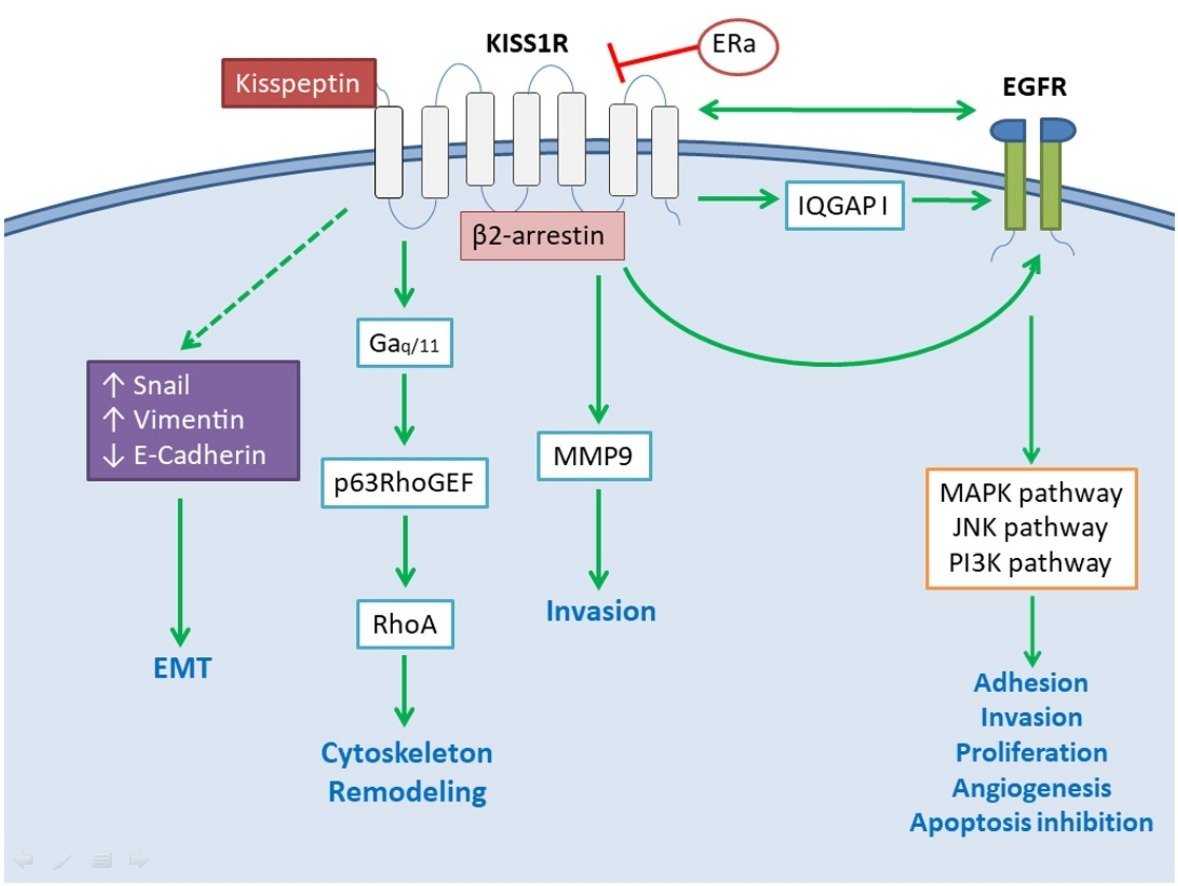
Source: ScienceDirect
Additional reports discuss potential coupling between kisspeptin signaling, circadian/light-cycle variables, and melatonin pathway markers in mouse-based experimental designs evaluating tumor growth endpoints [6]. These observations are typically used to motivate further mechanistic work on endocrine-circadian crosstalk and tumor microenvironment signaling.
Preclinical Research Summary: Learning/Memory-Related Behavioral Paradigms
Select studies have evaluated kisspeptin-related peptide analogs in rodent behavioral paradigms that measure spatial learning, navigation, and cognitive flexibility under defined experimental conditions [7]. Such work is generally used to probe neuromodulatory signaling hypotheses and to map peptide-receptor activity onto circuit-level function in nonclinical models.
Preclinical Research Summary: Neural Circuit Processing
Research has examined kisspeptin-associated modulation of limbic and reward-circuit activity using experimental brain processing readouts, supporting broader investigation into how neuroendocrine peptides interface with motivational circuitry and affective processing in controlled study designs [8].
Preclinical Research Summary: Kidney and Cardiovascular Biology
Kisspeptin and KISS1R expression has been reported in renal tissue, and receptor-deficient mouse models have been used to study developmental and functional endpoints relevant to renal biology [9]. In cardiovascular research, kisspeptin signaling has been evaluated for context-specific effects in vascular beds, including experimental endpoints related to vasoreactivity and vascular signaling pathways, with emphasis on mechanistic interpretation and tissue-specific receptor biology [9].
Form & Analytical Testing
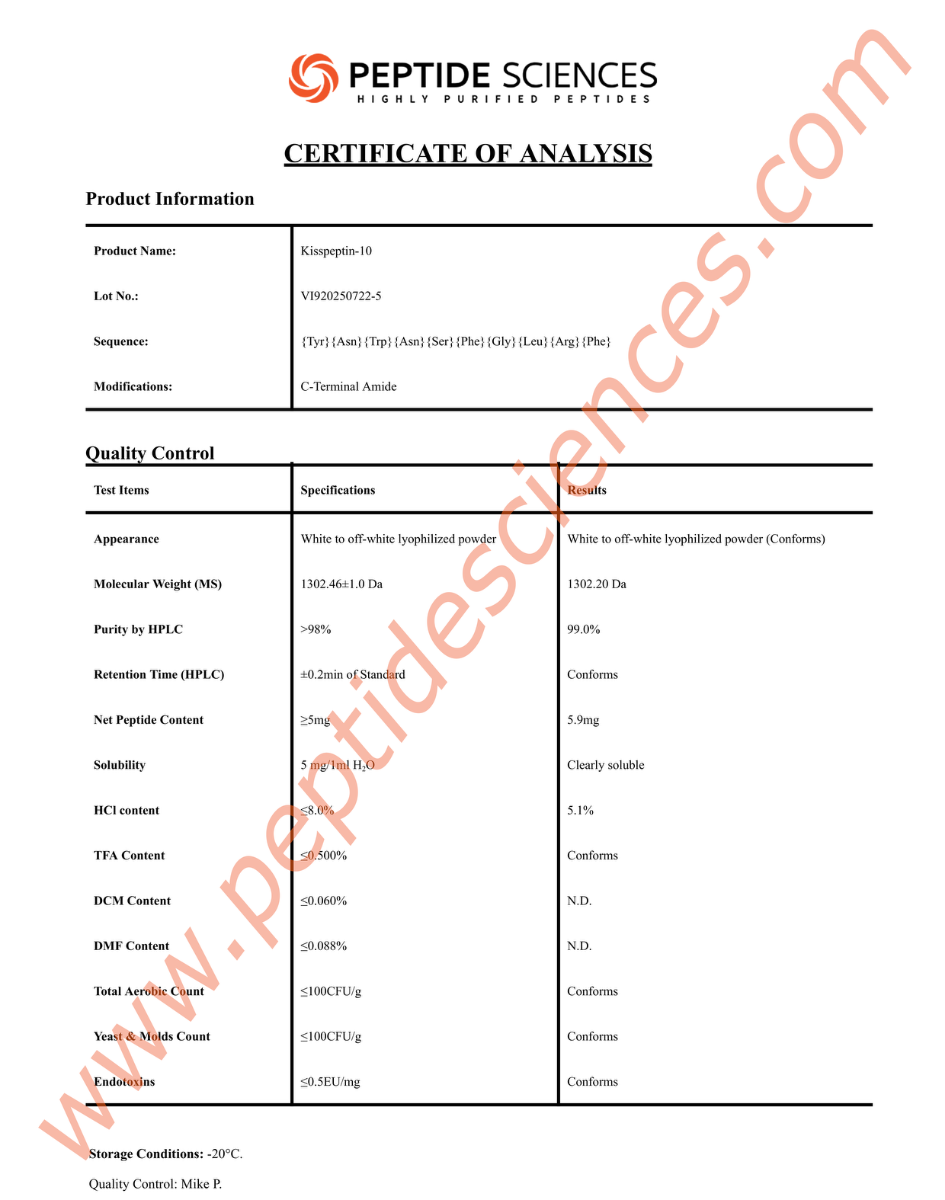
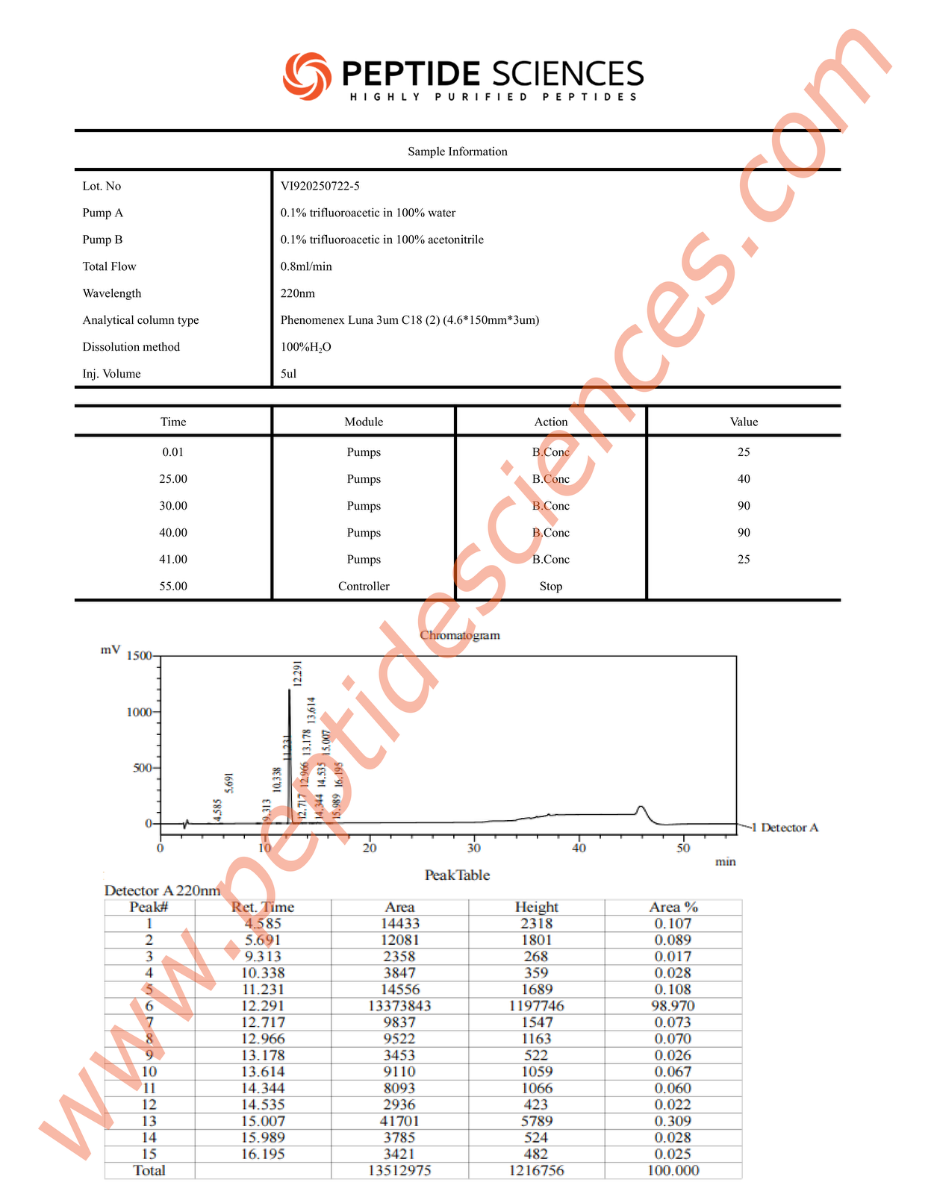
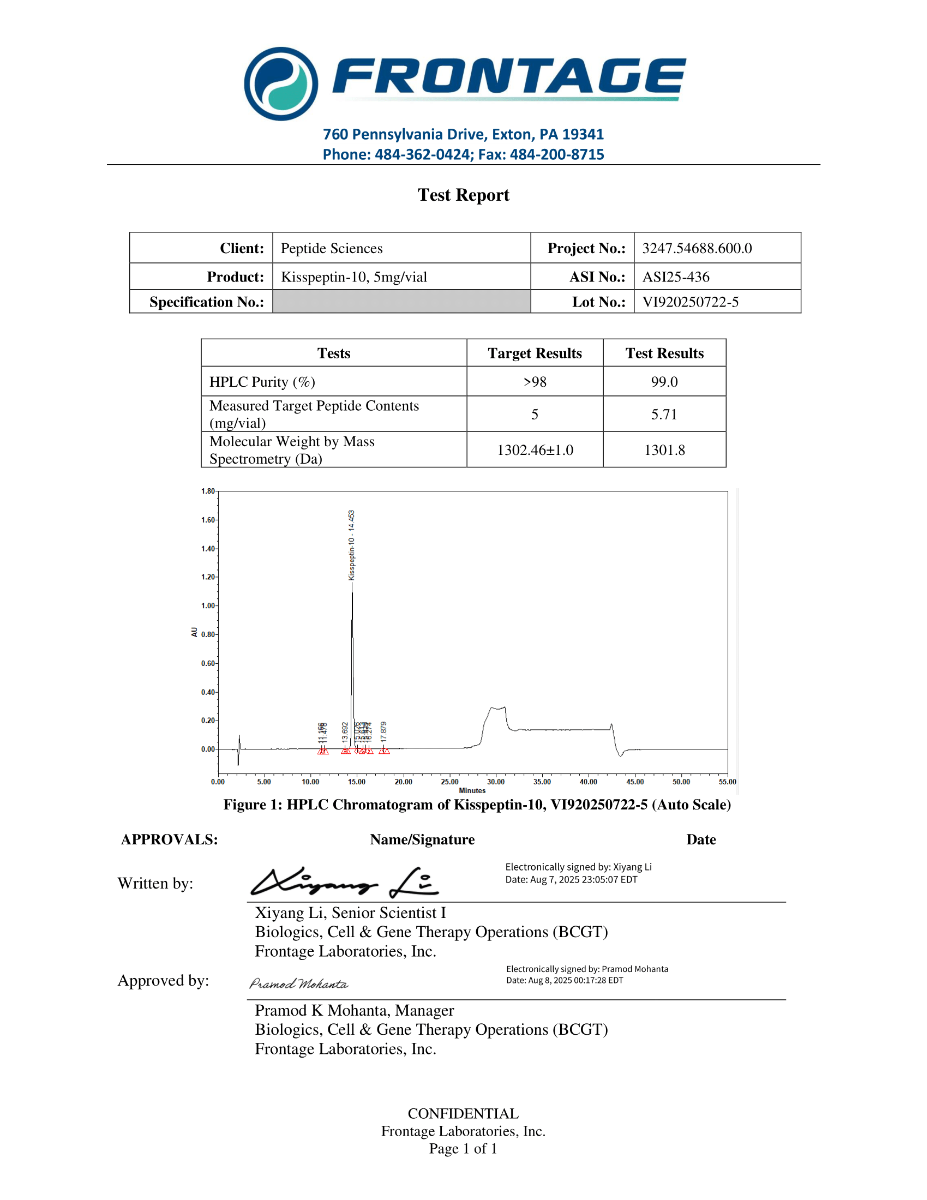
Kisspeptin-10 is supplied as a synthetic research peptide for controlled laboratory workflows. Researchers commonly document identity using sequence and registry identifiers and may employ internal qualification workflows aligned with peptide characterization practices (e.g., chromatographic purity assessment and mass confirmation) consistent with laboratory standards.
Article Author
The above literature was researched, edited and organized by Dr. E. Logan, M.D. Dr. E. Logan holds a doctorate degree from Case Western Reserve University School of Medicine and a B.S. in molecular biology.
Scientific Journal Author
Floriana Morgillo, M.D. is an Associate Professor of Medical Oncology at the University of Campania “Luigi Vanvitelli”. She received her Medical Degree, cum laude, in 2000 and in 2004 she completed her specialisation in Medical Oncology with Professor Fortunato Ciardiello at the Second University of Naples. In February 2008 she completed the PhD course in Medical Oncology at the same University. From February 2004 to February 2006, she worked at the MD Anderson Cancer Center in the Thoracic Head and Neck Medical Department. During this time she was deeply involved in the studies of acquired resistance to anti-EGFR targeted drugs in non-small cell lung cancer. In June 2009 she received a Translational Research fellowship from ESMO. She is the Principal Investigator and covers the role of Sub-Investigator in several clinical trials and has been a co-author in various publications in important international journals, including one study on the effects of Kisspeptin-10 antitumor efficacy. Floriana Morgillo, M.D. is listed in [10] under the referenced citations.
Floriana Morgillo, M.D. is being referenced as one of the leading scientists involved in the research and development of Kisspeptin. In no way is this doctor/scientist endorsing or advocating the purchase, sale, or use of this product for any reason. There is no affiliation or relationship, implied or otherwise, between Peptide Sciences and this doctor. The purpose of citing the doctor is to acknowledge, recognize, and credit the exhaustive research and development efforts conducted by the scientists studying this peptide. Dr. Floriana Morgillo is listed in [10] under the referenced citations.
Referenced Citations
- W. S. Dhillo et al., “Kisspeptin-54 stimulates the hypothalamic-pituitary gonadal axis in human males,” J. Clin. Endocrinol. Metab., vol. 90, no. 12, pp. 6609–6615, Dec. 2005, doi: 10.1210/jc.2005-1468.
- J. T. George et al., “Kisspeptin-10 is a potent stimulator of LH and increases pulse frequency in men,” J. Clin. Endocrinol. Metab., vol. 96, no. 8, pp. E1228-1236, Aug. 2011, doi: 10.1210/jc.2011-0089.
- C. J. L. Harter, G. S. Kavanagh, and J. T. Smith, “The role of kisspeptin neurons in reproduction and metabolism,” J. Endocrinol., vol. 238, no. 3, pp. R173–R183, 2018, doi: 10.1530/JOE-18-0108.
- E. J. Mead, J. J. Maguire, R. E. Kuc, and A. P. Davenport, “Kisspeptins: a multifunctional peptide system with a role in reproduction, cancer and the cardiovascular system,” Br. J. Pharmacol., vol. 151, no. 8, pp. 1143–1153, Aug. 2007, doi: 10.1038/sj.bjp.0707295.
- T. Ly, S. Harihar, and D. R. Welch, “KISS1 in metastatic cancer research and treatment: potential and paradoxes,” Cancer Metastasis Rev., Mar. 2020, doi: 10.1007/s10555-020-09868-9.
- P. Pazarci et al., “The effects of daylight exposure on melatonin levels, Kiss1 expression, and melanoma formation in mice,” Croat. Med. J., vol. 61, no. 1, pp. 55–61, Feb. 2020.
- E. Gibula-Tarlowska and J. H. Kotlinska, “Kissorphin improves spatial memory and cognitive flexibility impairment induced by ethanol treatment in the Barnes maze task in rats,” Behav. Pharmacol., vol. 31, no. 2 & 3, pp. 272–282, Apr. 2020, doi: 10.1097/FBP.0000000000000557.
- A. N. Comninos et al., “Kisspeptin modulates sexual and emotional brain processing in humans,” J. Clin. Invest., vol. 127, no. 2, pp. 709–719, doi: 10.1172/JCI89519.
- M. Bhattacharya and A. V. Babwah, “Kisspeptin: Beyond the Brain,” Endocrinology, vol. 156, no. 4, pp. 1218–1227, Apr. 2015, doi: 10.1210/en.2014-1915.
- Antitumor efficacy of Kisspeptin in human malignant mesothelioma cells. PubMed Central (PMC). https://www.ncbi.nlm.nih.gov/pmc/articles/PMC5922395/
ALL ARTICLES AND PRODUCT INFORMATION PROVIDED ON THIS WEBSITE ARE FOR INFORMATONAL AND EDUCATIONAL PURPOSES ONLY.
RUO Disclaimer
The products offered on this website are furnished for in-vitro studies only. In-vitro studies (Latin: in glass) are performed outside of the body. These products are not medicines or drugs and have not been approved by the FDA to prevent, treat or cure any medical condition, ailment or disease. Bodily introduction of any kind into humans or animals is strictly forbidden by law.
For Laboratory Research Only. Not for human use, medical use, diagnostic use, or veterinary use.
Storage Instructions:
All of our products are manufactured using the Lyophilization (Freeze Drying) process, which ensures that our products remain 100% stable for shipping for up to 3-4 months.
Once the peptides are reconstituted (mixed with bacteriostatic water), they must be stored in the fridge to maintain stability. After reconstitution, the peptides will remain stable for up to 30 days.
Lyophilization is a unique dehydration process, also known as cryodesiccation, where the peptides are frozen and then subjected to low pressure. This causes the water in the peptide vial to sublimate directly from solid to gas, leaving behind a stable, crystalline white structure known as lyophilized peptide. The puffy white powder can be stored at room temperature until you’re ready to reconstitute it with bacteriostatic water.
Once peptides have been received, it is imperative that they are kept cold and away from light. If the peptides will be used immediately, or in the next several days, weeks or months, short-term refrigeration under 4C (39F) is generally acceptable. Lyophilized peptides are usually stable at room temperatures for several weeks or more, so if they will be utilized within weeks or months such storage is typically adequate.
However, for longer term storage (several months to years) it is more preferable to store peptides in a freezer at -80C (-112F). When storing peptides for months or even years, freezing is optimal in order to preserve the peptide’s stability.
Why Choose Our Kisspeptin-10 5mg?
When you are looking for Kisspeptin-10 5mg for sale, quality is paramount. Our products undergo rigorous testing to ensure they meet the strict requirements of laboratory environments. By choosing to buy Kisspeptin-10 5mg from our store, you are guaranteed a product that is:
- High Purity (Tested for 99% )
- Fast Shipping – Always in stock
- Secure Packaging for Research Integrity
- Competitive Pricing for Bulk Orders
Specifications & Technical Data
| Feature | Specification |
|---|---|
| Product Name | Kisspeptin-10 5mg |
| SKU | 73 |
| Purity | >99% |
| Form | Research Grade Compound |
| Availability | In Stock / For Sale |
Scientific Research & Clinical Applications
The research surrounding Kisspeptin-10 5mg is vast. Scientists explore its potential in various metabolic and physiological models. For more detailed scientific data, you can visit PubMed to review the latest peer-reviewed literature regarding this compound.
Frequently Asked Questions
Where can I buy Kisspeptin-10 5mg?
You can buy Kisspeptin-10 5mg directly from our website. We provide a secure checkout and fast shipping to ensure your research stays on track.
Is Kisspeptin-10 5mg in stock?
Yes, we currently have Kisspeptin-10 5mg in stock. Orders are typically processed within 24 hours to ensure rapid delivery to your laboratory.
Related Research Products
If you are interested in Kisspeptin-10 5mg, you may also want to explore these related products currently in stock:
Disclaimer: All products listed are for research purposes only. Not for human consumption.
Related products